
5 min read
A standard residential garage door can weigh well over a hundred pounds, moving on a system of springs under real tension. Federal safety standards introduced in 1993 require specific protections on every residential opener sold since, and understanding how they work helps you spot when one isn't functioning correctly — which is itself a safety issue worth addressing right away.
Photo-eye sensors
Two small sensors mounted a few inches off the ground on either side of the door send an invisible beam across the opening. If anything breaks that beam while the door is closing — a child, a pet, a stored bike — the door stops and reverses instead of continuing down. This is the single most important safety feature to keep clean, aligned, and unobstructed.
Auto-reverse on contact
Separately from the photo eyes, the opener is designed to detect unexpected resistance — the door meeting something solid as it closes — and reverse direction rather than continuing to apply force. This is adjustable and should be tested periodically: a door that doesn't reverse when you hold a sturdy object (like a 2x4 laid flat) under it as it closes needs the opener's force settings adjusted by a technician.
Manual emergency release
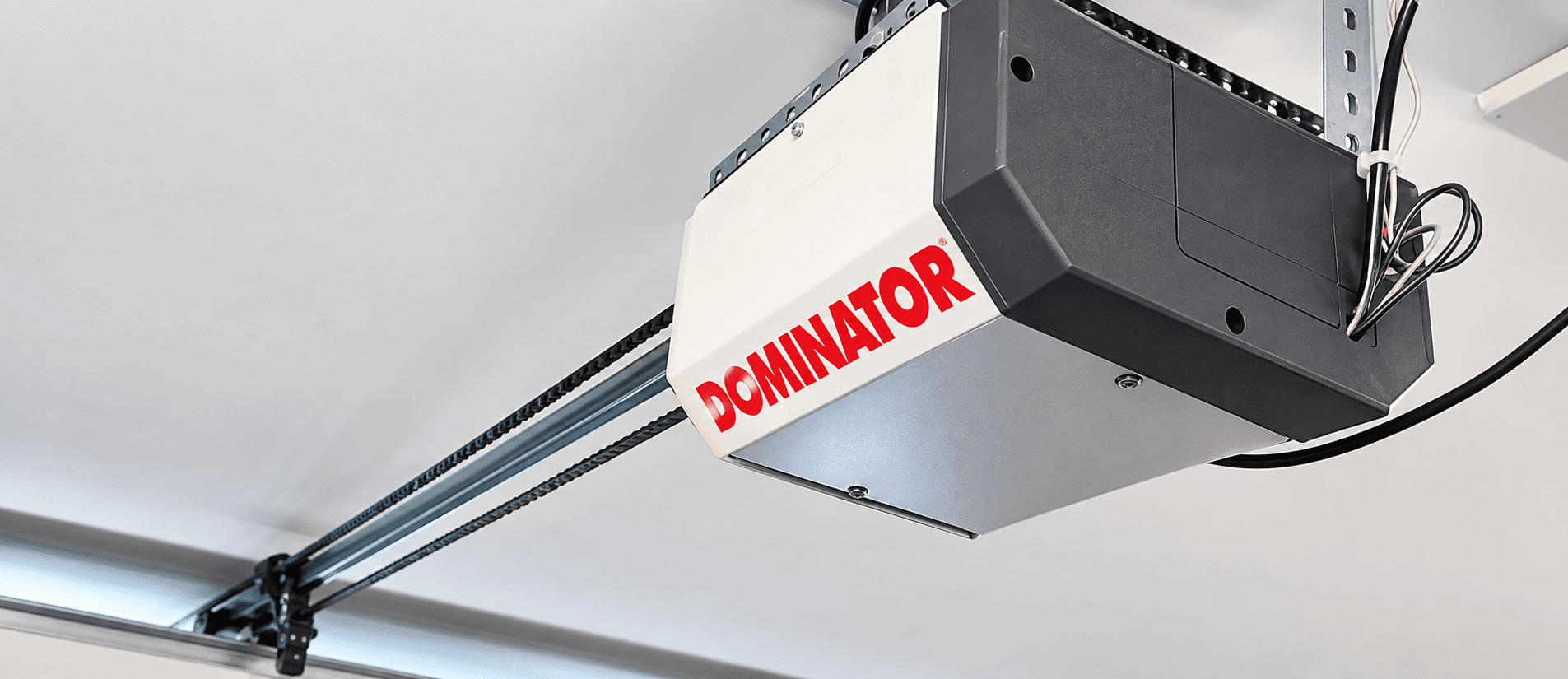
The red cord hanging from the trolley on the opener rail lets you manually disconnect the door from the opener — important during a power outage or if the opener malfunctions and needs to be overridden. Everyone in the household who might need to open the garage manually should know where it is and how it works.
Manual locks and vacation mode
A slide or lever lock on the inside of the door adds a physical deadbolt-style lock independent of the opener, useful when you're away for an extended period. Some wall consoles also have a vacation/lock-out switch that disables remote signals entirely.
Frequently Asked Questions
How often should I test my garage door's auto-reverse feature?
Manufacturers generally recommend monthly. Place a solid object flat on the ground in the door's path and close the door — it should reverse on contact rather than continuing down.
My door doesn't reverse when it hits something. Is that dangerous?
Yes — this is a safety-critical function and should be addressed immediately, not left for later. Have a technician check the opener's force and limit settings as soon as possible.