
5 min read
A garage door is one of the largest moving parts in a home, opening and closing hundreds of times a year — and like anything mechanical, small wear adds up. This checklist takes about 15 minutes and catches most problems long before they become an emergency.
Every month
- Visual check: look for fraying cables, gaps in springs, or rust on hardware
- Listen for new grinding, popping, or scraping sounds during operation
- Test the auto-reverse safety feature: place a block of wood on the ground where the door closes — it should reverse on contact
- Check the photo-eye sensors are clean and properly aligned
Every 6 months
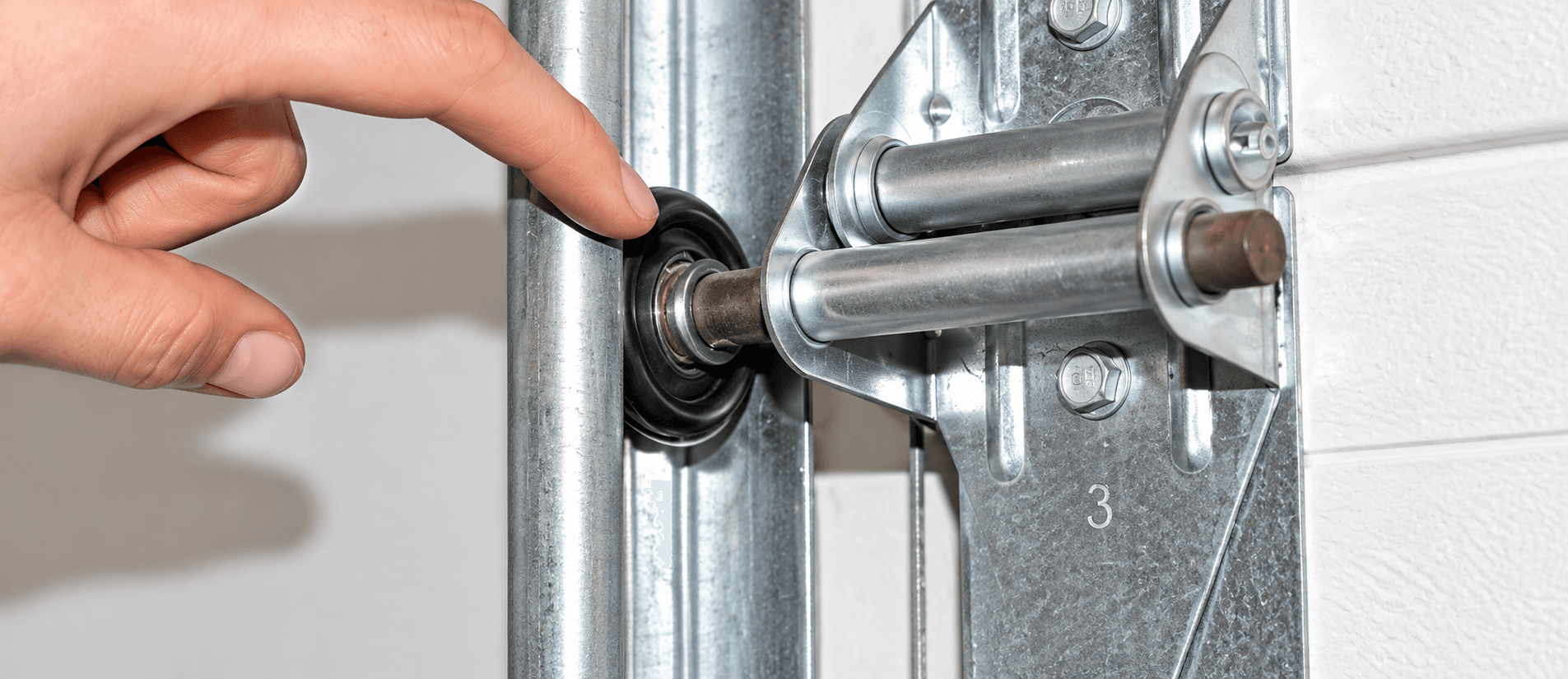
- Lubricate rollers, hinges, and springs with a garage-door-specific lubricant (not WD-40, which attracts dust)
- Tighten any visibly loose bolts on the track brackets
- Check and replace worn weatherstripping along the bottom of the door
- Test the manual emergency release to make sure it disengages smoothly
Once a year (or when something feels off)
Have a professional check spring tension and balance — an unbalanced door strains the opener even if it still "works fine." This is also the right time to catch a spring that's near the end of its cycle life before it fails without warning.
Frequently Asked Questions
How do I know if my garage door is balanced?
Disconnect the opener (pull the emergency release) and lift the door halfway manually. A balanced door stays in place; if it falls or shoots up, the spring tension needs professional adjustment.
What lubricant should I use on a garage door?
A silicone-based or lithium-based garage door lubricant, applied to rollers, hinges, and the spring. Avoid WD-40 for long-term lubrication — it's a solvent that displaces grime short-term but attracts more dust over time.